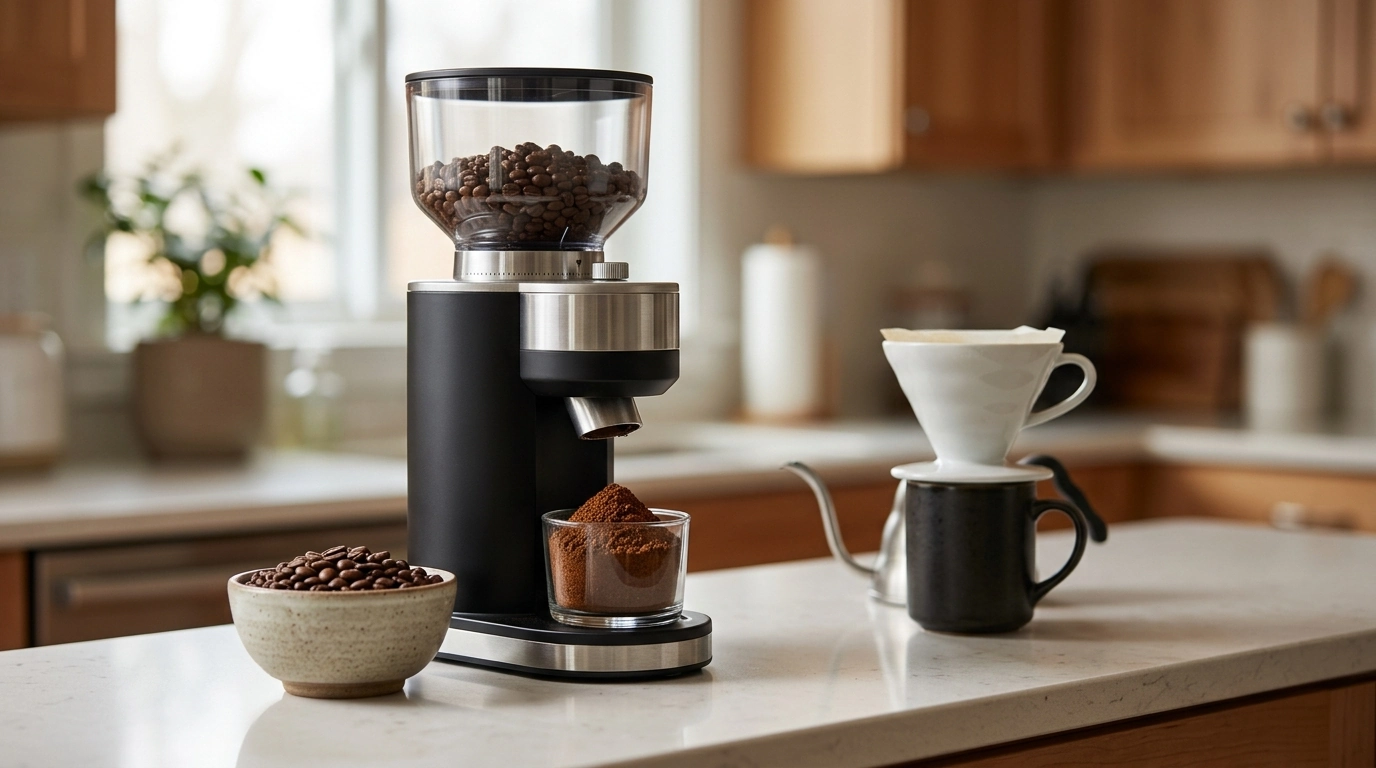
When a warehouse takes out its self-serve coffee grinder, it’s usually about keeping operations smoother for everyone—faster lines, fewer messes, and fewer customer-service issues around the coffee aisle. While policies can vary by location, there are several common factors that push high-traffic retailers to retire in-store grinders.
Public grinders can hold residual oils and fine particles from previous batches. That becomes a bigger concern when flavored coffees are involved or when customers are trying to avoid allergens and strong lingering aromas. Removing grinders helps reduce complaints about “coffee tasting like the last person’s beans” and keeps sanitation simpler.
Grinders need regular cleaning and occasional repairs. In a busy store, a clogged or broken grinder can create a bottleneck and pull employees away from other tasks. Taking grinders out of the warehouse eliminates a common point of failure and the labor required to manage it.
Grinding creates chaff and fine dust that can end up on counters and floors. That can lead to extra cleanup and potential slip hazards in a high-traffic area. Less loose coffee in the aisle also means fewer damaged bags and fewer returns due to torn packaging.
More shoppers buy whole beans to grind at home for better freshness and control, while others prefer pre-ground options for convenience. As demand shifts, some locations streamline by stocking more grind-ready options instead of maintaining equipment on site.
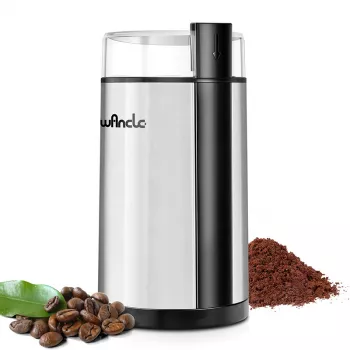
If you relied on the warehouse grinder, our team recommends moving to a home grinder so you can match the grind to your brewer and keep beans fresher longer. Burr grinders are the go-to choice for consistent particle size (especially for drip, pour-over, and espresso), while blade grinders are cheaper but less consistent. For a quick, practical breakdown, visit our guide here: https://sebastina.com/guide-electric-coffee-grinder-guide-burr-vs-blade-settings/. If you’re buying pre-ground, choose a roast date you’ll use quickly and store it in an airtight container away from heat and light.
Match the grind to brew time: coarse for French press, medium for most drip machines, and fine for espresso. If your coffee tastes bitter, go a bit coarser; if it tastes weak or sour, go a bit finer.




Leave a comment