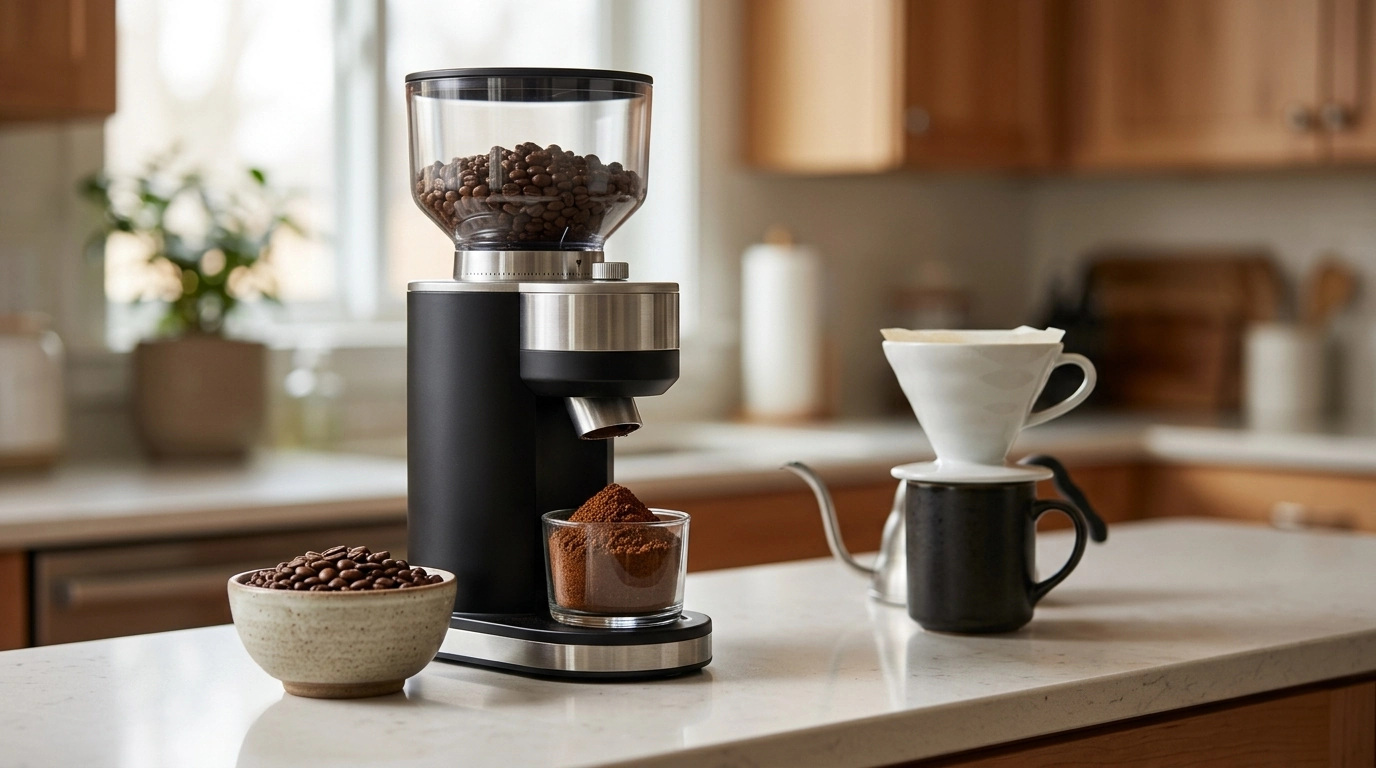
Great coffee starts with evenly ground beans. An electric coffee grinder makes it easier to dial in grind size for different brewing methods, reduce prep time, and get a more consistent cup—whether the goal is a quick drip coffee or a slower, more aromatic pour-over. Grinding right before you brew also helps preserve the volatile aromas that fade quickly in pre-ground coffee.
An electric coffee grinder turns whole beans into usable grounds in seconds, with less effort than manual grinding. That speed matters on busy mornings, but consistency matters even more: when grind size matches the brew method, extraction becomes easier to control and flavors come through cleaner.
For more brewing standards and best practices, resources from the Specialty Coffee Association and storage guidance from the National Coffee Association USA are helpful references.
The biggest “feel it in the cup” difference between grinders is particle uniformity. When grounds contain a mix of powder-fine particles and big chunks, the fines can over-extract (bitterness) while the boulders under-extract (sourness). More uniform grounds make it easier to repeat a recipe and troubleshoot flavor.
| Type | What it’s best for | Trade-offs |
|---|---|---|
| Blade | Basic drip, quick grinding, simple use | Less even grounds; harder to repeat results |
| Burr | Pour-over, French press, dialing in taste, frequent brewing | Typically larger and more complex; can cost more |
A practical rule: match grind size to contact time. Short contact times generally need a finer grind to extract enough flavor; longer immersion brews generally need a coarser grind to avoid harshness. Start from a standard point, then adjust based on taste while keeping everything else steady.
| Brew method | Starting grind | What to watch for |
|---|---|---|
| Espresso | Fine | Channeling or bitter shots may indicate too fine or uneven distribution |
| AeroPress | Fine to medium | Too fine can slow pressing; too coarse can taste thin |
| Pour-over (V60/Chemex-style) | Medium | Clogging/stalling suggests too fine; fast drawdown suggests too coarse |
| Drip coffee maker | Medium | Overly bitter suggests too fine; watery suggests too coarse |
| French press | Coarse | Sediment and bitterness can increase if too fine |
| Cold brew | Extra coarse | Fine grounds can create sludge and harsh flavors over long steep times |
Small design choices can make a grinder feel effortless—or annoying—day after day. Prioritizing adjustability, manageable cleanup, and stable operation tends to improve consistency more than chasing raw power.
| Frequency | What to do | Why it helps |
|---|---|---|
| After each use | Brush out grounds; wipe lid | Reduces stale taste and odors |
| Weekly | More thorough wipe-down; check crevices | Prevents oil buildup and clumping |
| Monthly (or as needed) | Deep clean removable parts; inspect for wear | Keeps performance steady and extends lifespan |
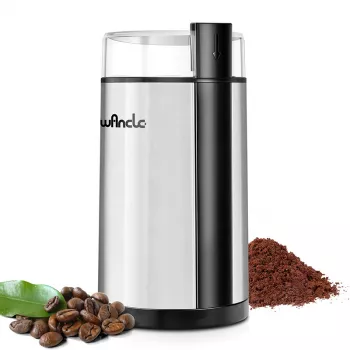
If the goal is quicker prep and fresher-tasting coffee at home, the Electric Coffee Grinder is a practical everyday option. It pairs well with common home brewing methods—drip, pour-over, and French press—especially when grinding right before brewing becomes part of the routine.
| Item | Details |
|---|---|
| Product | Electric Coffee Grinder |
| Price | 43.51 USD |
| Availability | In stock |
Check price and availability of the Electric Coffee Grinder, and consider keeping a small cleaning brush nearby so quick maintenance never feels like a chore.
Start with a medium grind. If the cup tastes bitter, go slightly coarser; if it tastes weak or sour, go slightly finer.
Brush out loose grounds after each use and wipe away oils weekly. Deep-clean removable parts about monthly or whenever flavors start carrying over.
It can work for basic brewing, but it typically produces more uneven grounds. More uniform grinding usually improves repeatability and clarity of flavor.




Leave a comment